

On this page
The automotive transport industry has always been about precision and reliability. Dealerships, rental fleets, auctions, and private buyers all rely on timely deliveries to keep business moving. But in today’s market, speed and cost are no longer the only measures of success. Transparency, visibility, and accountability are just as important, and technology is making them possible in ways that weren’t feasible even a decade ago.
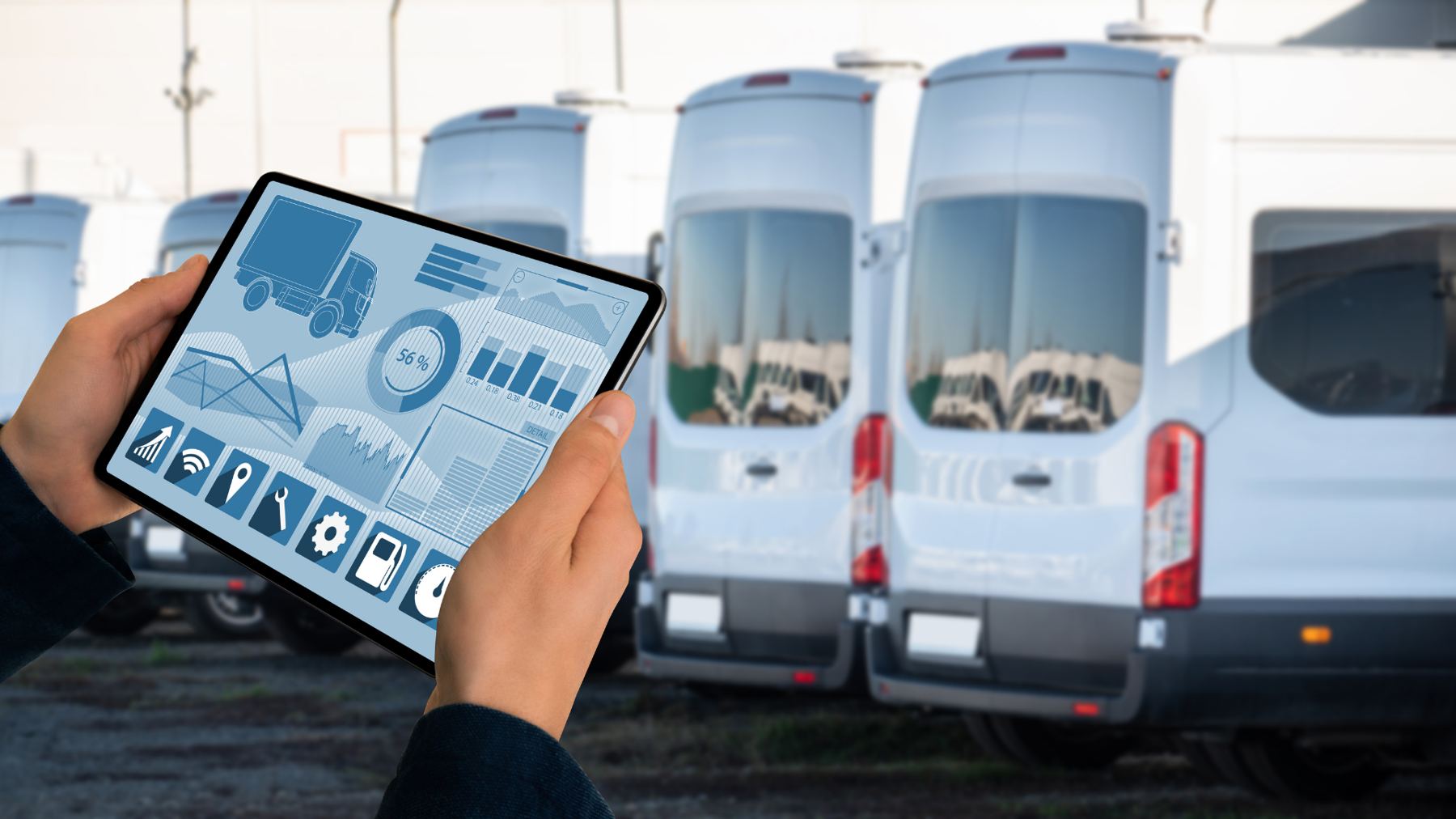
Modern tracking solutions have transformed auto transport into a data-driven service. From GPS-enabled trucks to real-time customer notifications, technology bridges the gap between shippers, carriers, and customers. In this article, we’ll explore the technologies that are reshaping auto transport tracking and how they help businesses save money, enhance customer experience, and manage risk.
Why Tracking Matters in Auto Transport
Unlike standard freight, auto transport involves high-value cargo. A single truckload may carry millions of dollars’ worth of vehicles, making visibility critical. Tracking ensures:
Without reliable tracking, shippers face blind spots that lead to delays, miscommunication, and financial loss.
- Customer Confidence: Buyers know where their vehicles are at all times.
- Operational Efficiency: Dealerships can plan inventory and staffing around accurate ETAs.
- Risk Mitigation: Insurers and shippers gain documentation for disputes or claims.
- Regulatory Compliance: Authorities can verify transport conditions and custody.
GPS Tracking: The Foundation of Visibility
The most transformative technology in auto transport has been GPS tracking. Today’s carriers use devices that provide:
For dealerships and shippers, GPS data allows proactive communication with customers, eliminating uncertainty.
- Real-Time Location Updates: Accurate mapping of vehicle location throughout the journey.
- Geofencing Alerts: Notifications when shipments leave or enter designated zones.
- Route Optimization Data: Insights into traffic patterns and weather conditions to prevent delays.
Digital Freight Matching Platforms
Technology isn’t just improving tracking, it’s revolutionizing how shipments are booked. Digital freight platforms connect shippers with carriers instantly, based on availability, cost, and route optimization.
Benefits include:
For auto transport, this means fewer empty miles, faster pickups, and more competitive pricing.
- Faster Booking: Eliminates long phone negotiations.
- Lower Costs: Increased competition among carriers drives down rates.
- Smarter Matching: Algorithms pair shipments with carriers already running similar routes.
Telematics and Vehicle Condition Monitoring
In addition to location tracking, telematics devices now monitor vehicle condition during transport. Features include:
This data provides both transparency and accountability, reducing disputes over transport-related damages.
- Temperature and Humidity Sensors: Protect sensitive vehicles (classics, luxury cars) from damaging conditions.
- Shock and Tilt Alerts: Detect potential damage during loading or sudden stops.
- Mileage and Ignition Monitoring: Ensures vehicles remain unused during transit.
Customer-Facing Portals and Apps
Today’s customers expect visibility not just for packages, but also for cars. Modern auto transport providers now offer:
This transparency creates peace of mind and strengthens customer trust, especially for dealerships selling vehicles across state lines.
- Customer Dashboards: Online portals where clients view shipment status in real time.
- Automated Notifications: SMS or email alerts at pickup, checkpoints, and delivery.
- ETAs with Live Updates: Predictive algorithms that refine delivery windows as conditions change.
Predictive Analytics in Auto Transport
Tracking doesn’t just tell you where a shipment is, it predicts where problems might occur. Predictive analytics uses historical and live data to forecast:
For shippers, predictive tools turn tracking into a proactive management system.
- Weather-Related Delays: Identifying storms that may impact delivery.
- Traffic Congestion: Rerouting shipments around bottlenecks.
- Driver Behavior Risks: Monitoring speed, hours-of-service compliance, and driving patterns.
Blockchain for Auto Transport Records
Although still emerging, blockchain technology is gaining traction in auto logistics. Blockchain provides:
While blockchain adoption is still limited, it’s expected to become a cornerstone of auto transport compliance.
- Immutable Records: Permanent logs of transport events, from pickup to delivery.
- Secure Chain of Custody: Proof of custody transfers between drivers, carriers, and customers.
- Simplified Dispute Resolution: Transparent records reduce disagreements about when and where damages occurred.
Case Study: Dealership Auction Transport
A multi-state dealership group was frequently frustrated by late deliveries from auctions. Without tracking, customers were left in the dark and inventory planning suffered.
After adopting GPS-enabled carriers and a customer-facing portal:
This case highlights how technology directly impacts profitability and customer satisfaction.
- On-time deliveries increased by 27%.
- Customer service calls dropped by 40%.
- Average transport costs decreased by 12% thanks to route optimization and digital freight matching.
Overcoming Industry Challenges with Tech
Despite its advantages, adopting technology in auto transport comes with hurdles:
The key is adopting scalable solutions that balance functionality with usability, ensuring both carriers and dealerships benefit.
- Carrier Resistance: Smaller carriers may resist tech investments.
- Data Overload: Too much information without clear analysis can overwhelm teams.
- Cybersecurity Risks: Protecting sensitive shipment and customer data is critical.
The DN Logistics Advantage
At DN Logistic, we integrate advanced tracking and data solutions into every shipment. Our carriers leverage GPS, telematics, and predictive analytics to provide real-time visibility from pickup to delivery. Customers gain access to transparent dashboards, automated updates, and detailed performance reports, ensuring peace of mind throughout the shipping process.
By combining technology with decades of logistics expertise, DN Logistic delivers more than vehicles, we deliver confidence.
Conclusion
Technology has redefined what it means to track auto transport. GPS, telematics, predictive analytics, and blockchain are transforming visibility, accountability, and efficiency across the industry. For dealerships and shippers, embracing these tools isn’t optional, it’s a requirement to remain competitive.
The role of technology in auto transport tracking is clear: it reduces costs, builds customer trust, and turns logistics into a strategic advantage. With the right partner, dealerships can harness these innovations to move vehicles faster, safer, and more transparently than ever before.