

On this page
Fraud in the logistics world is growing each year. Shippers, brokers, and carriers all face new risks, from fake companies to stolen loads to simple non-payment. This guide explains the most common types of logistics fraud in easy, clear language and shows what you can do to stay safe.
Quick Answer
Logistics fraud happens when someone tricks a shipper, broker, or carrier to steal freight or money. The most common scams in 2026 are fake carriers, double brokering, identity theft, and non-payment. You can avoid these issues by checking carrier identity, using tracking, verifying paperwork, and working with trusted partners like DN Logistics.
What Is Logistics Fraud? (Simple Definition)
Logistics fraud is when someone pretends to be a real company or breaks the rules on purpose to steal freight, money, or information.
It can happen during:
Because most communication happens online, it’s easier than ever for scammers to fake identities.
- Booking
- Pickup
- Transit
- Delivery
- Payment
Common Types of Logistics Fraud in 2026
Below are the scams shippers and brokers see most often, explained in simple terms.
1. Fake or Stolen Carrier Identity (Most Common)
A scammer pretends to be a real trucking company by copying their:
Then they pick up the load and disappear.
- MC/DOT number
- Insurance
- Company name
- Website
Easy Warning Signs:
- Email domain doesn’t match the company
- Phone number is different from the real carrier
- They avoid video calls
- They rush the booking
2. Double Brokering Fraud
This happens when a “carrier” accepts a load, then re-brokers it to another carrier without permission. Payments get messy, tracking is lost, and freight sometimes goes missing.
Why It’s a Problem:
- No visibility
- Insurance disputes
- Lost freight
- Delivery delays
3. Load Theft at Pickup
A fake driver shows up early at a facility and uses the correct load number to get your freight.
Why It Works:
- They look professional
- They have the right details
- Warehouse staff want to stay on schedule
4. Document Forgery
Fraudsters create fake:
This makes scams harder to spot.
- Certificates of insurance
- Rate cons
- BOLs
- Emails
- Photos of delivered freight
5. Non-Payment (Huge Problem in 2026)
This happens when a broker or shipper never pays the carrier. With many small brokers shutting down, the problem is getting worse.
Signs of a Possible Non-Payment Scam:
- New broker with no history
- Low bond amount
- High turnover
- Extremely cheap rates
- “We’ll pay fast” promises
How DN Logistics Helps Stop Fraud
We use strict steps to protect every load:
Carrier Verification (Strong Security Checks)
We confirm:
- MC/DOT matches the real company
- Insurance is active
- Phone numbers and emails match
- CDL and driver info
- GPS-capable trucks
- No fraud flags in national databases
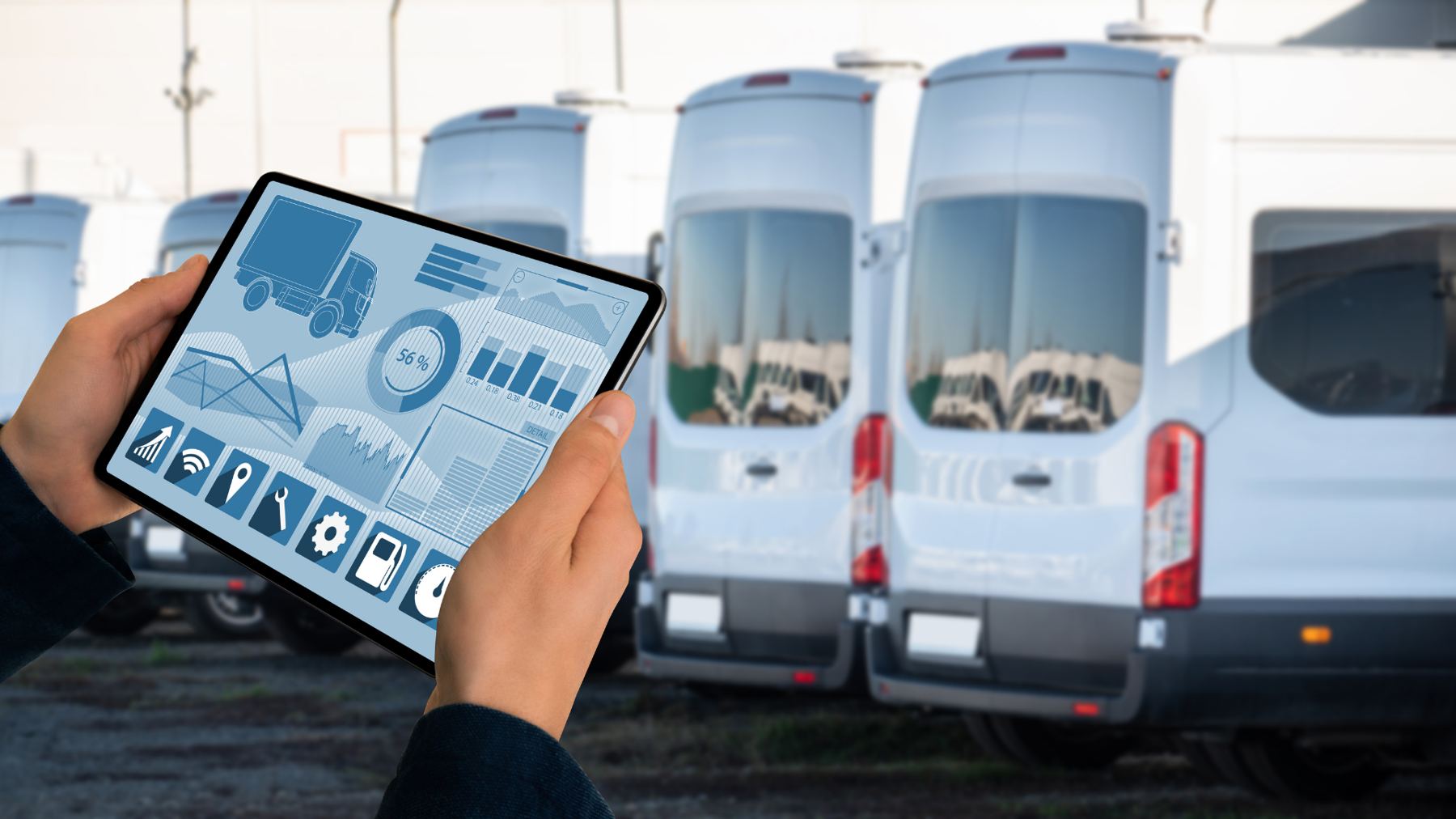
Live GPS Tracking
We track the load from start to finish. If a truck goes off route, we get alerts instantly.
Driver & Equipment Validation
Before pickup, DN Logistics verifies:
So no fake driver can steal freight.
- License plate
- Trailer number
- Driver photo ID
- Truck photos
Secure Payment Process
We protect carriers and shippers with:
- Proof of delivery
- Internal audit steps
- Fast payment systems
- No “vanishing broker” risk
How You Can Avoid Logistics Fraud
Here are simple steps any shipper can follow:
1. Always verify carrier identity
Check email, MC/DOT, insurance, and phone numbers.
2. Avoid deals that seem too cheap
Low rates = high risk.
3. Use load tracking
GPS helps stop theft.
4. Verify the driver at pickup
Ask for:
- ID
- Truck number
- Dispatch info
5. Work with trusted logistics partners
A strong broker like DN Logistics reduces your risk by 90%+.
Final Takeaway
Logistics fraud is more common today, but it is also easier to stop if you know what to look for. By checking identities, confirming paperwork, tracking loads, and partnering with trusted experts, you can keep your freight, and your money, safe.