
On this page
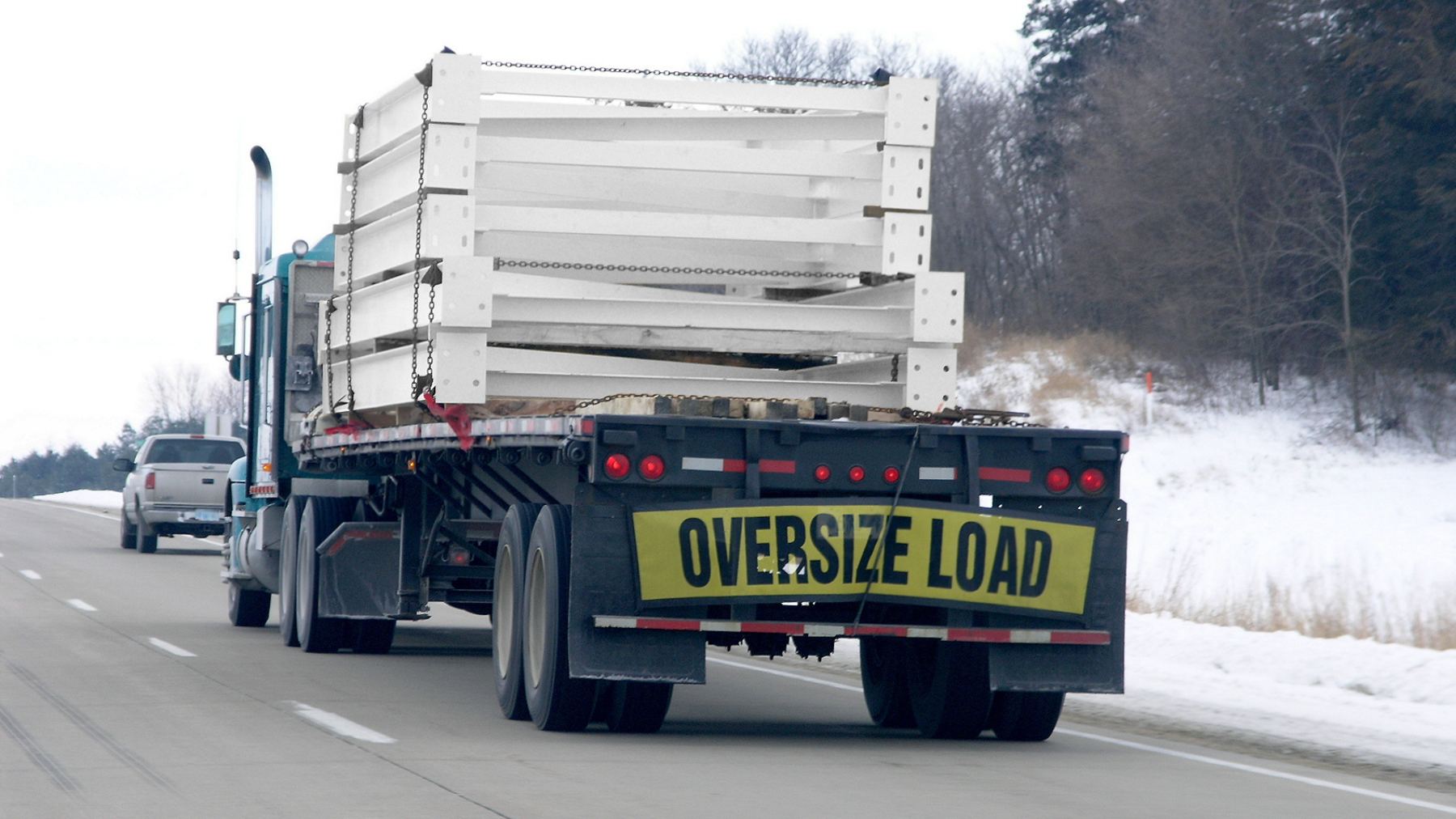
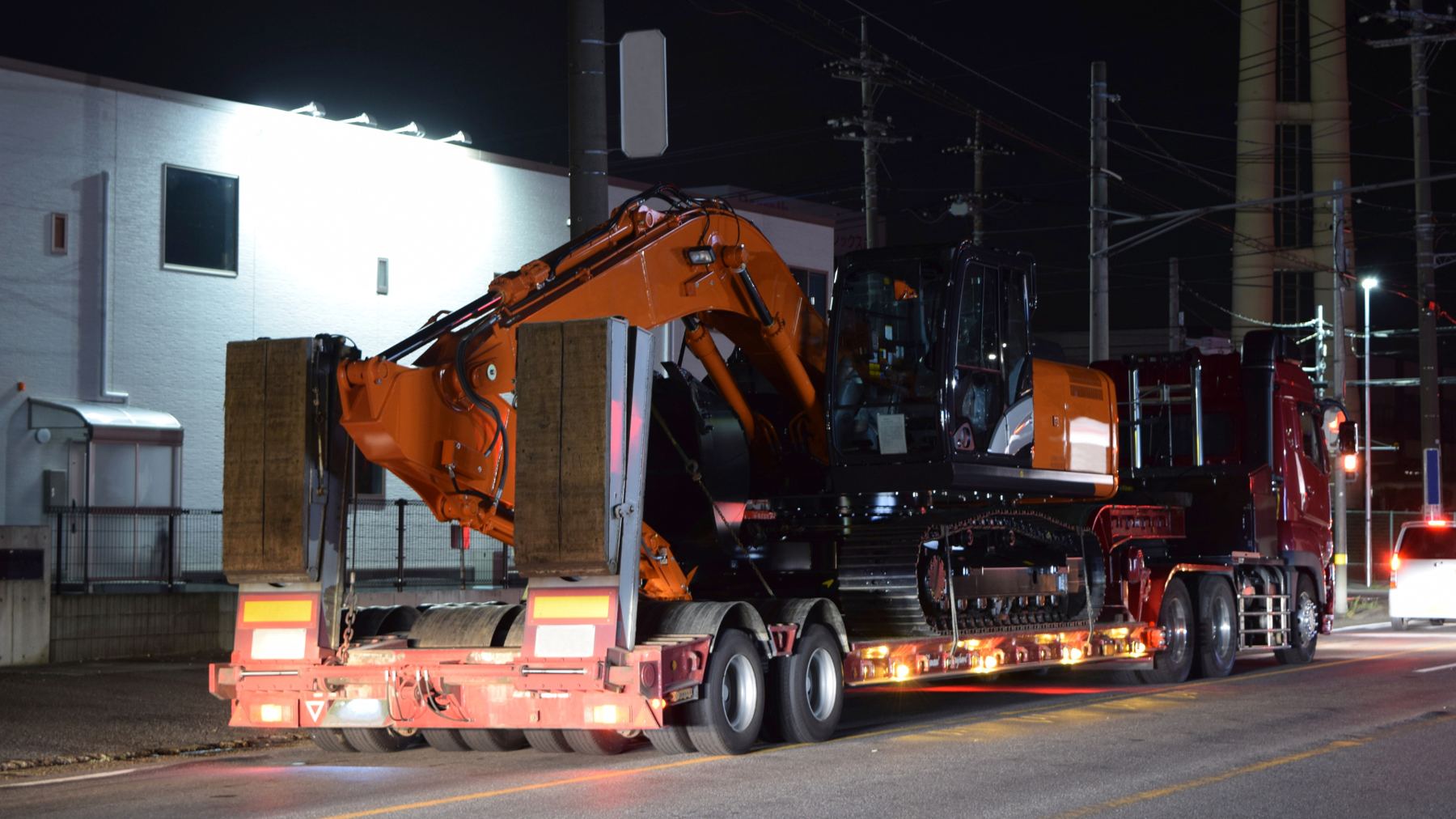
Transporting oversized freight is more complex than standard truckload shipping. Weight, dimensions, routing, infrastructure restrictions, and escort regulations must all be considered before a load moves. Missing one detail can result in delays, citations, unexpected rerouting, or safety risks.
Whether you ship machinery, steel, construction materials, power generation components, or oil and gas equipment, proper heavy haul planning protects both your cargo and your schedule. Use this guide as a framework to prepare your next specialized shipment.
What Qualifies as Oversized or Overweight Freight?
While dimensions vary by state, a load generally becomes oversized when it exceeds any of the following thresholds:
Common examples include:
The earlier oversized load requirements are identified, the easier it is to secure the proper trailer type, permits, and routing.
- Width: Over 8 ft 6 in
- Height: Over 13 ft 6 in (varies by route/state)
- Length: Typically over 48 to 53 ft depending on trailer type
- Weight: Exceeds 80,000 lbs gross vehicle weight, or axle limits
- Industrial machinery and CNC equipment
- Steel beams, plate, and fabricated structures
- Wind, solar, and energy components
- Oilfield and refinery equipment
- Prefabricated buildings and bridge sections
- Transformers, generators, and power units
Trailer Types for Heavy Haul Freight
Different cargo requires different equipment. A qualified heavy haul broker will match the freight to the right trailer to reduce handling, height, and load risk.