
On this page
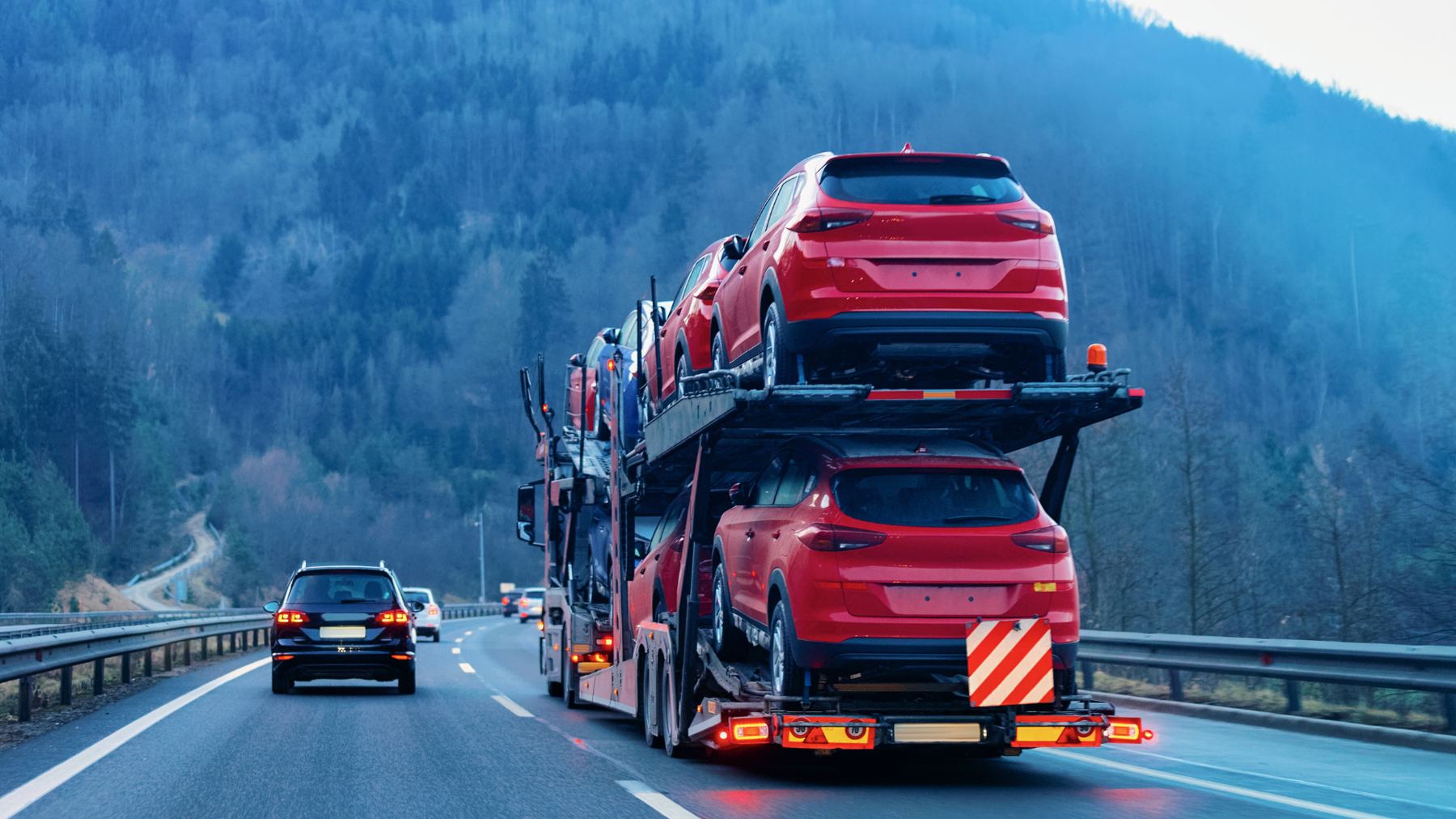
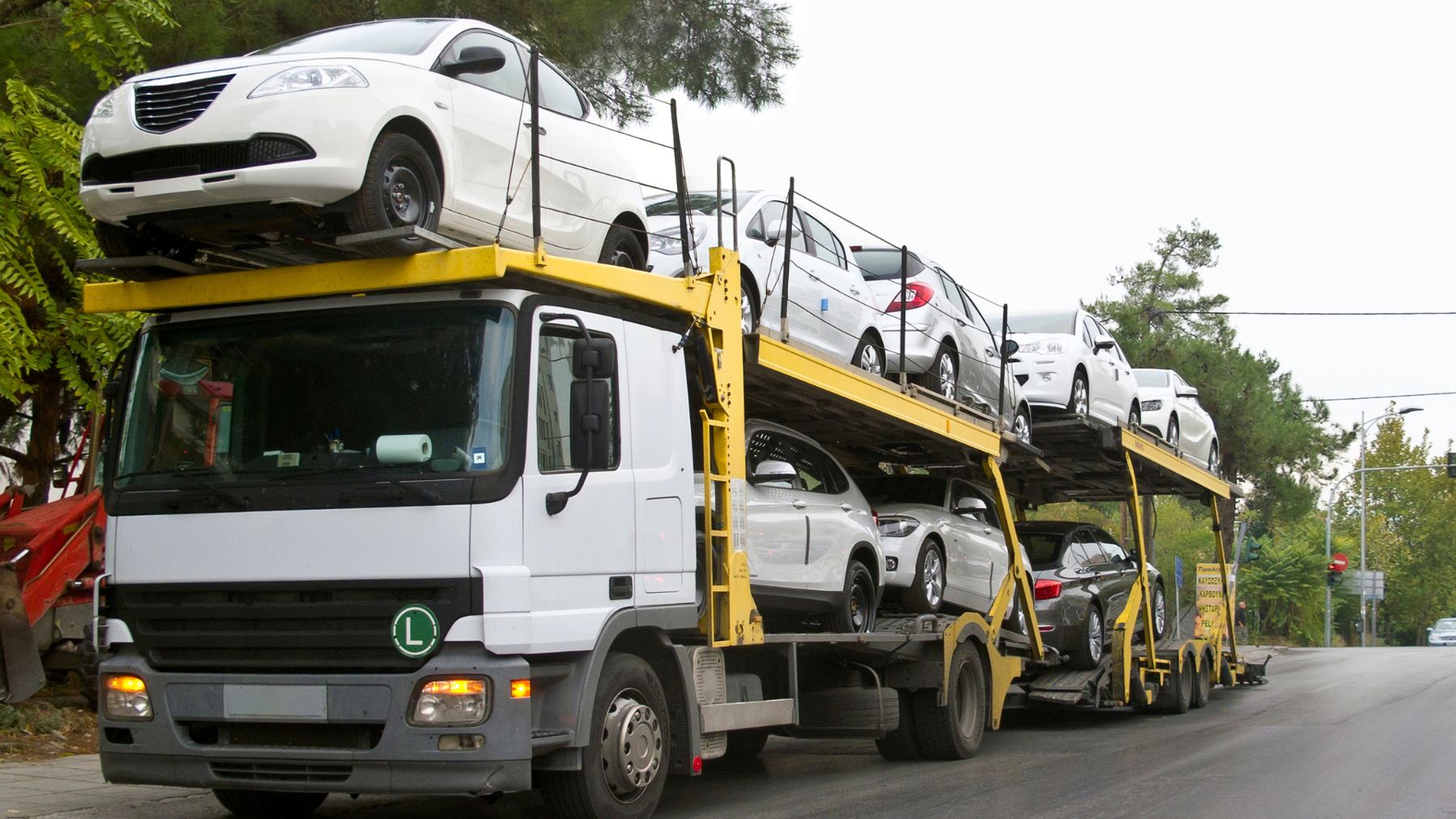
Fleet management solutions in auto transport streamline logistics by optimizing routes, improving visibility, and balancing cost with performance. For dealerships, OEMs (original equipment manufacturers), and rental companies, moving hundreds or thousands of vehicles requires more than just trucks, it requires a system that keeps everything running efficiently.
Without proper fleet management, businesses face wasted miles, inflated costs, compliance risks, and unhappy customers. But with the right technology and logistics partner, large-scale vehicle transport becomes predictable, transparent, and cost-efficient. This article explores how fleet management works in auto transport, the technologies driving change, and the strategies dealerships and OEMs can use to maximize performance.
Why Fleet Management Matters in Auto Transport
Transporting one vehicle is straightforward. Transporting 500 vehicles across multiple states requires careful planning. Fleet management ensures:
In short, effective fleet management transforms auto logistics from a cost burden into a competitive advantage.
- Cost Efficiency: Optimizing routes reduces empty miles and wasted fuel.
- Regulatory Compliance: Ensures proper documentation for every transfer.
- Customer Transparency: Provides real-time updates for dealerships and buyers.
- Asset Protection: Monitors vehicles in transit for condition and security.
Key Challenges in Large-Scale Vehicle Transport
1. Coordinating Multi-Stop Routes
Delivering to multiple dealerships or customers requires efficient routing to prevent delays and high costs.
2. Capacity and Carrier Utilization
Ensuring every truck is fully loaded minimizes empty miles but requires careful planning.
3. Compliance and Liability
With more vehicles on the road, paperwork, insurance, and chain-of-custody requirements multiply.
4. Tracking and Visibility Gaps
Dealerships and OEMs need real-time updates, but smaller carriers may lack modern tracking systems.
5. Cost Volatility
Fuel surcharges, seasonal demand, and driver shortages increase unpredictability in large-scale operations.
Technology at the Core of Fleet Management
GPS and Telematics
Real-time GPS provides location updates, geofencing alerts, and driver behavior tracking. Telematics add data on vehicle condition, fuel use, and idle time.
Route Optimization Software
Algorithms evaluate traffic, weather, and fuel prices to create the most efficient delivery routes.
Digital Freight Matching
Platforms connect loads with carriers that already run similar routes, reducing costs and ensuring capacity.
Predictive Analytics
Forecasts delays from weather, fuel price fluctuations, or seasonal surges in auction shipments.
Customer-Facing Portals
Dealerships and OEMs can log in to see shipment progress, expected delivery times, and proof-of-delivery documentation.
Fleet Management Strategies for Dealerships and OEMs
1. Consolidate Shipments
Group multiple vehicles for fewer, fuller loads instead of paying per-car rates.
2. Use Data for Carrier Selection
Track carrier performance by cost, on-time percentage, and claims to create a “carrier scorecard.”
3. Balance Speed vs. Cost
Expedited shipments protect customer satisfaction but cost more. Use predictive analytics to decide when faster shipping is worth the investment.
4. Leverage Backhauls
Book carriers on return trips for discounted rates while keeping trucks full.
5. Standardize Documentation
Ensure every shipment has bills of lading, insurance proof, and driver credentials digitized to prevent delays.
Case Example: OEM Fleet Distribution
An OEM distributing new vehicles to 200 dealerships faced inconsistent deliveries and high costs. After adopting a centralized fleet management solution:
The OEM saved millions annually while improving dealer relationships.
- On-time delivery improved by 21%.
- Empty miles were reduced by 17% through better route optimization.
- Carrier scorecards lowered reliance on underperforming vendors.
Compliance and Risk in Fleet Management
Auto transport involves strict legal and insurance requirements. Fleet management solutions reduce risk by:
These protections shield dealerships and OEMs from liability while ensuring smooth operations.
- Digitally Storing Paperwork: Bills of lading, licenses, and insurance certificates.
- Automating Compliance Alerts: Ensuring carriers meet state and federal regulations.
- Tracking Claims Data: Identifying carriers with higher incident rates.
- Ensuring Hours-of-Service (HOS) Compliance: Monitoring drivers to avoid violations and penalties.
The Role of Partnerships in Fleet Success
Large-scale transport isn’t only about trucks and technology, it’s about trusted partnerships. Working with a logistics provider like DN Logistic offers:
Outsourcing fleet management to experts frees businesses to focus on core operations.
- Access to a National Carrier Network trained in auto transport.
- Bonded and Insured Transport Options to protect high-value fleets.
- Scalable Solutions that grow with dealership or OEM needs.
- Real-Time Tracking and Reporting to enhance transparency.
FAQs About Fleet Management in Auto Transport
Q1. What is fleet management in auto transport? Fleet management is the process of coordinating, tracking, and optimizing vehicle shipments at scale using technology, compliance systems, and logistics expertise.
Q2. How does fleet management reduce costs? It lowers empty miles, consolidates shipments, improves route efficiency, and ensures the best carrier rates through performance benchmarking.
Q3. What technology is used in modern fleet management? GPS tracking, telematics, predictive analytics, and customer-facing portals provide real-time visibility and better decision-making.
Q4. Do dealerships need a logistics partner for fleet management? Yes. While some dealers handle small-scale transport internally, large-scale operations benefit from logistics providers with nationwide networks and compliance expertise.
The DN Logistics Advantage
At DN Logistic, we provide fleet management solutions tailored for dealerships, OEMs, auctions, and rental companies. Our data-driven systems optimize cost, compliance, and customer experience, ensuring vehicles move seamlessly from origin to destination. With our nationwide network, advanced technology, and compliance-first approach, DN Logistic transforms auto transport into a strategic advantage.
Conclusion
Fleet management solutions are no longer optional for large-scale auto transport, they are essential. By leveraging technology, consolidating shipments, ensuring compliance, and partnering with experts, dealerships and OEMs can move vehicles efficiently, cut costs, and improve customer satisfaction.
At DN Logistic, we don’t just transport vehicles, we manage entire fleets with precision, transparency, and care.