
On this page
Understanding the Difference Between Flatbed and Step Deck Trailers
Flatbed and step deck trailers are both essential for hauling oversized or heavy freight, but they’re not interchangeable. Choosing the right type depends on your cargo’s size, weight, and loading requirements.
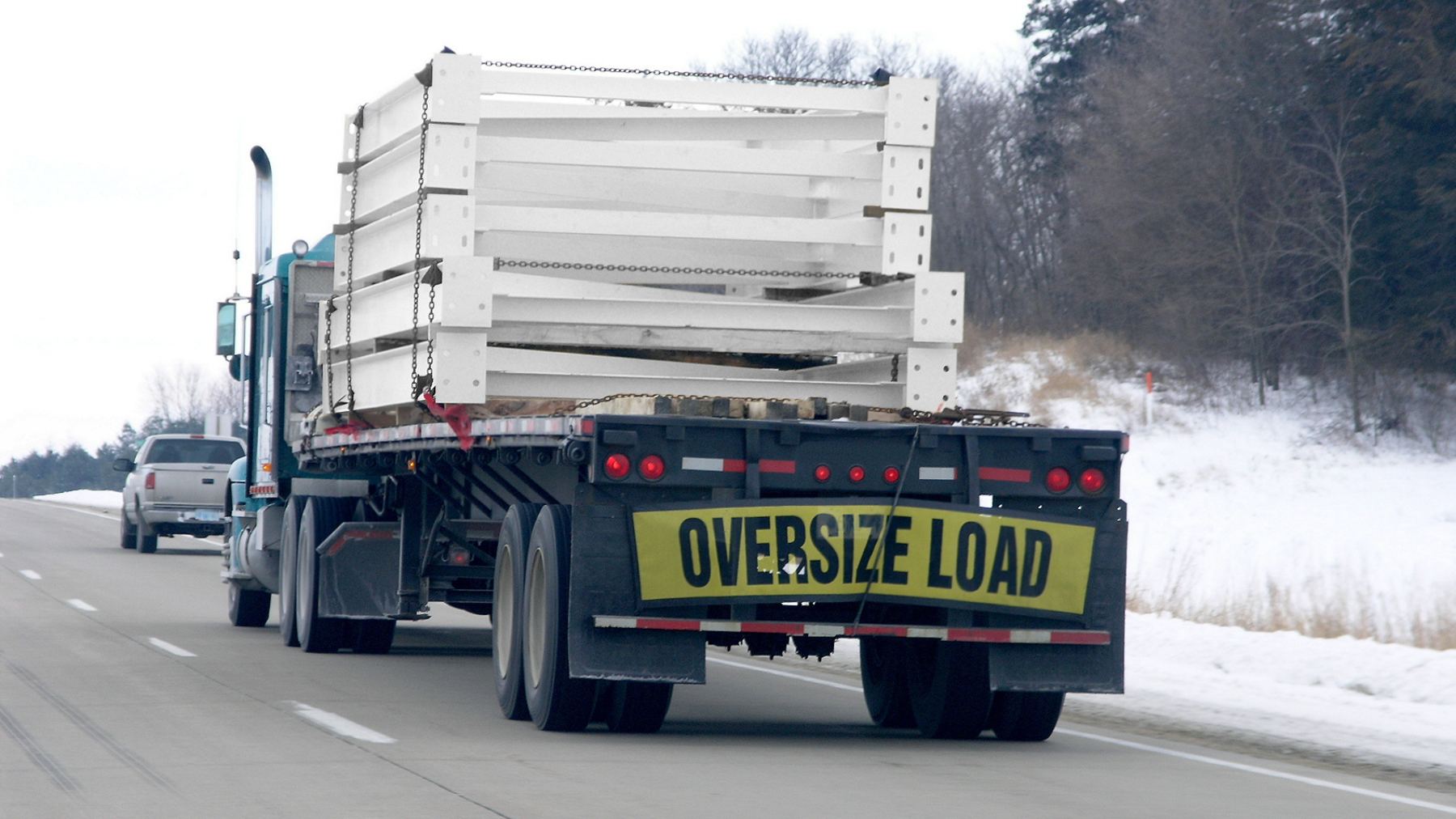
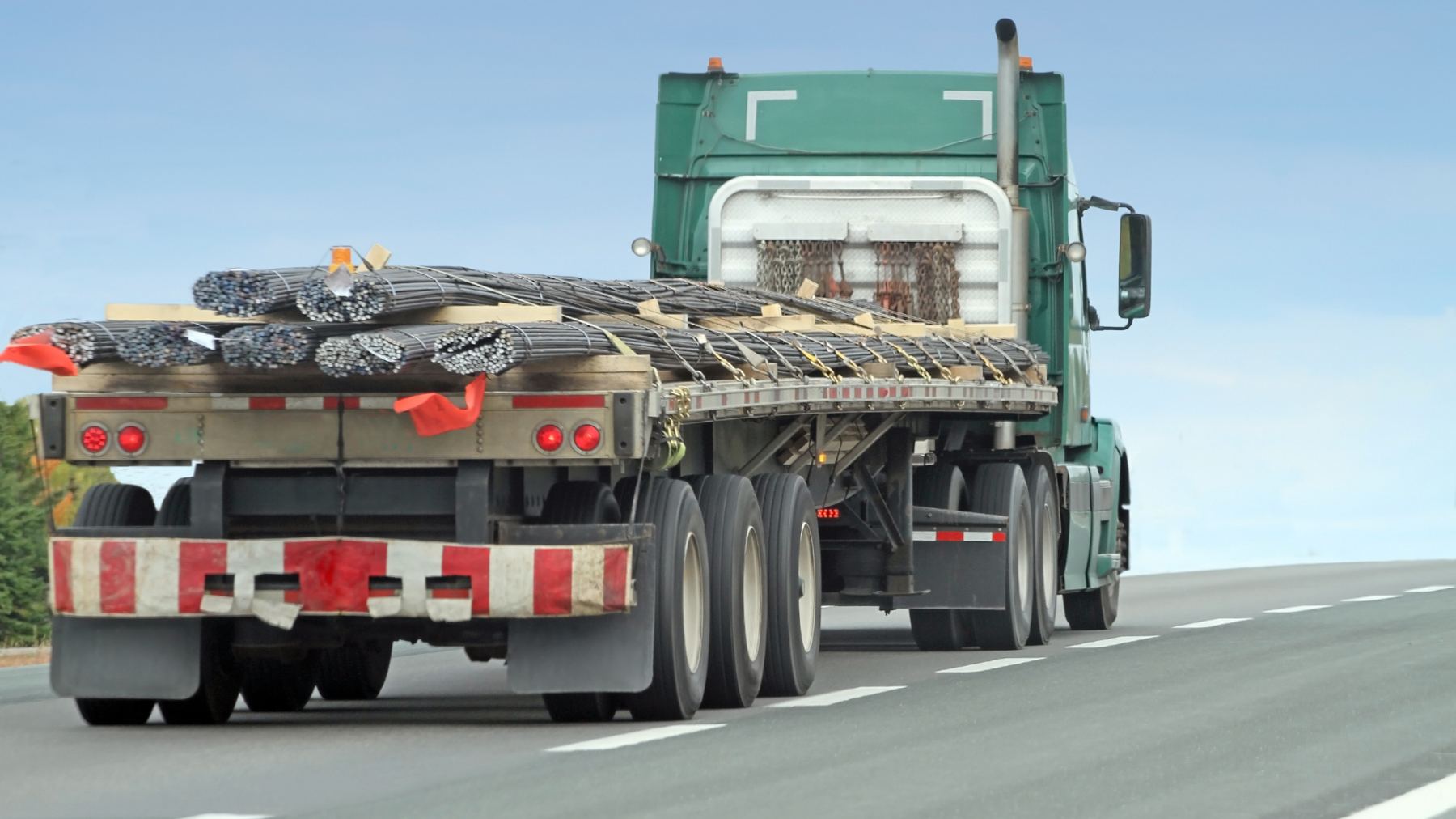
A flatbed trailer has a single open deck and no sides or roof, making it ideal for easy loading and unloading from any angle. A step deck trailer (also called a drop deck) features two deck levels, a higher front and a lower rear, allowing taller cargo to meet height restrictions.
Quick Answer: Flatbeds are best for standard oversized freight; step decks handle taller cargo that needs extra clearance or easier loading.
When to Use a Flatbed Trailer
Flatbeds are the most common trailer type for open-deck freight. They offer flexibility, accessibility, and cost efficiency.
Ideal Uses for Flatbeds
Because of their simplicity, flatbeds work well for freight that doesn’t require weather protection or special clearance.
Quick Answer: Use flatbeds for general oversized loads that can be easily loaded from the sides, top, or rear, such as materials, machinery, or crated freight.
- Building materials (steel beams, lumber, concrete panels)
- Machinery or industrial equipment
- Palletized freight or crated cargo
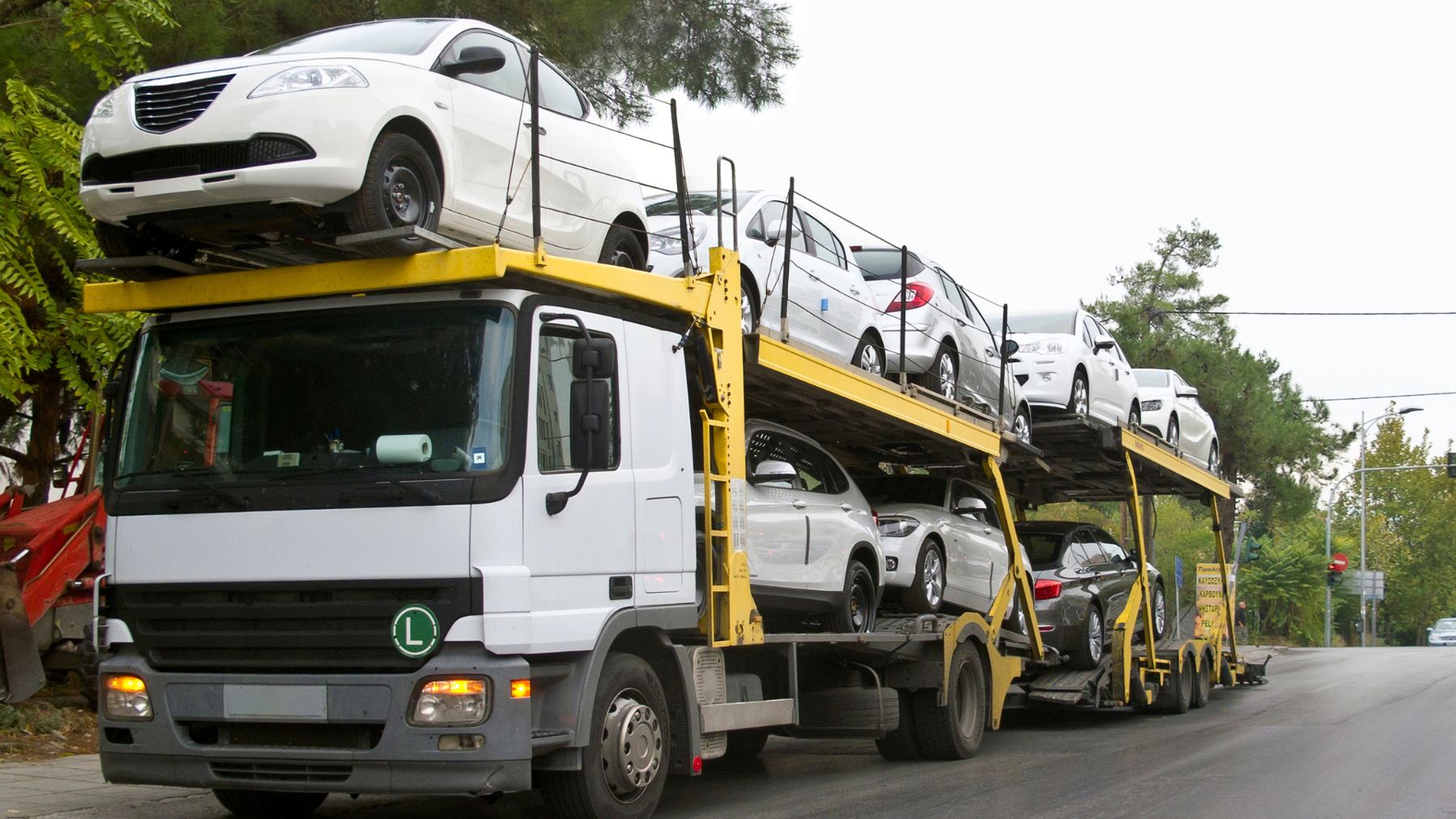
- Vehicles or large components
When to Use a Step Deck Trailer
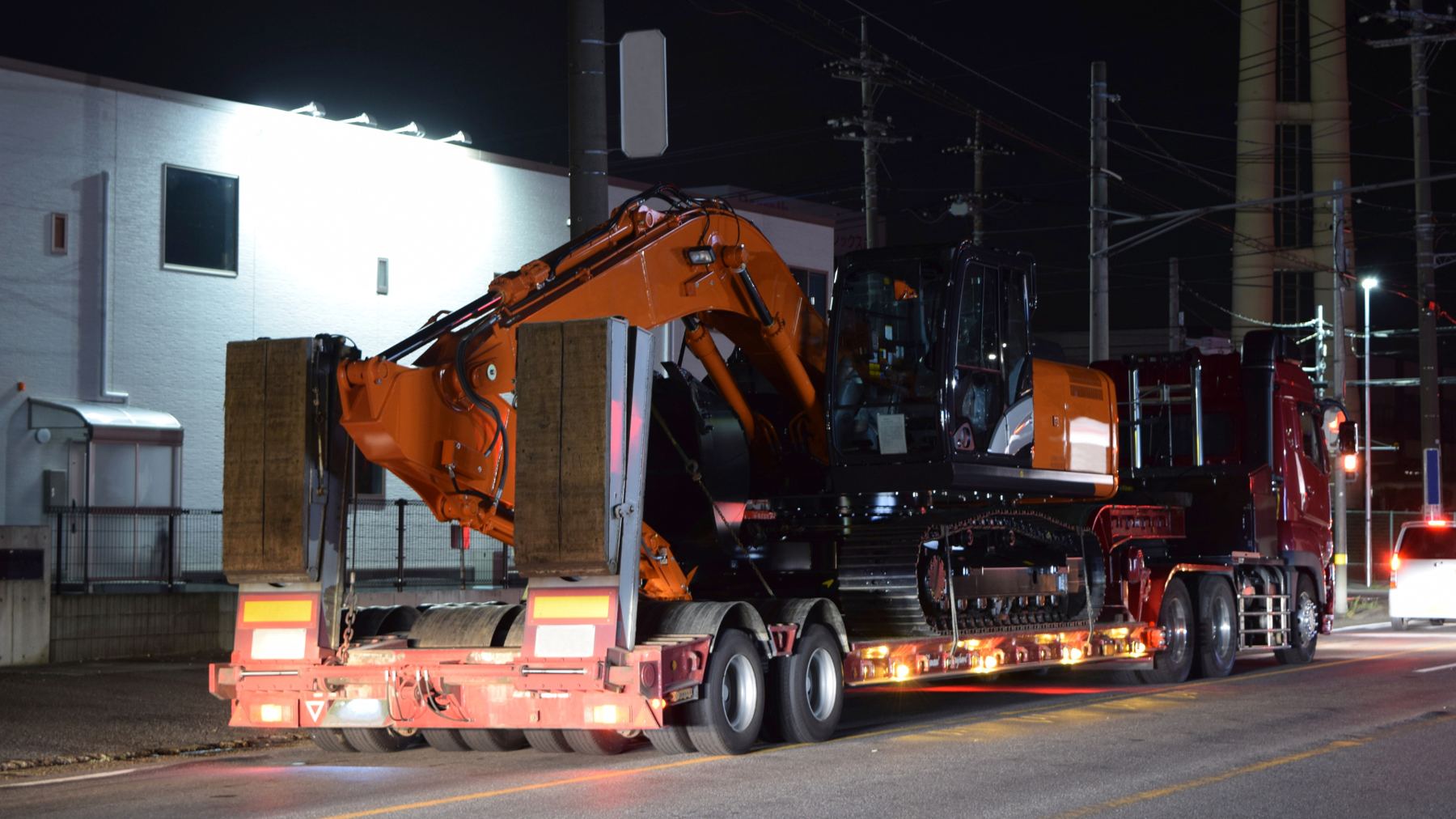
A step deck trailer is designed for taller freight that exceeds the legal height limit of a standard flatbed (typically 8 ft 6 in). The lower rear deck allows cargo to sit closer to the ground, avoiding overheight permits and improving stability.
Ideal Uses for Step Decks
Step decks also simplify forklift or ramp loading, a major advantage at sites without docks.
Quick Answer: Use step decks for taller or irregular freight that needs extra height clearance and easier ramp access.
- Construction machinery (excavators, bulldozers)
- Agricultural and industrial equipment
- Tall crates or stacked pallets
- Vehicles or prefabricated components
Legal Height and Weight Limits
Every trailer must comply with U.S. Department of Transportation (DOT) height and weight regulations. Here’s how flatbeds and step decks compare:
Flatbed vs Step Deck Trailer Comparison
Quick Answer: Step decks provide lower clearance for taller loads, while flatbeds are better for general oversized freight under 8.5 feet tall.