
On this page
Why EV Logistics Matter in the PNW
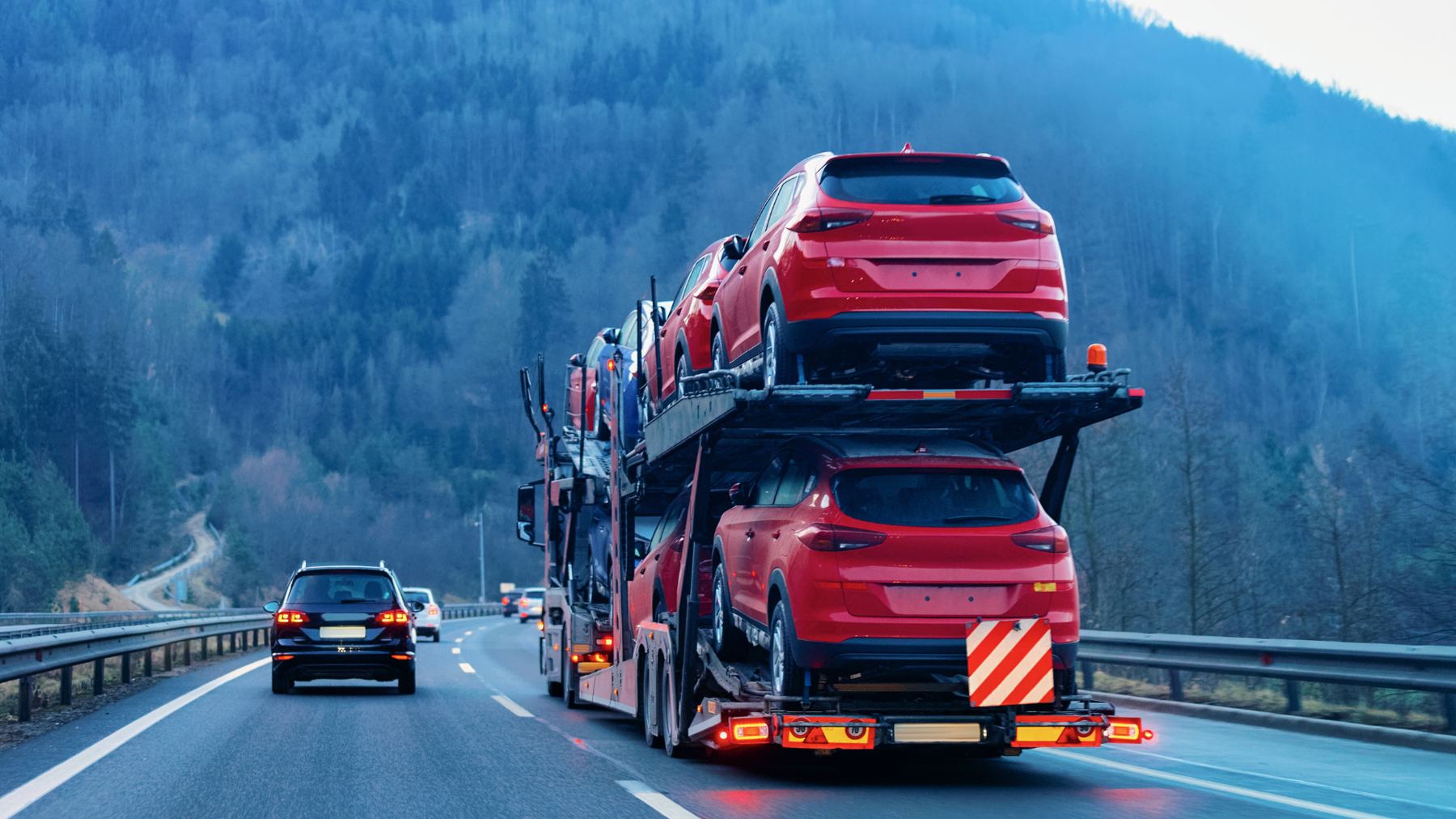
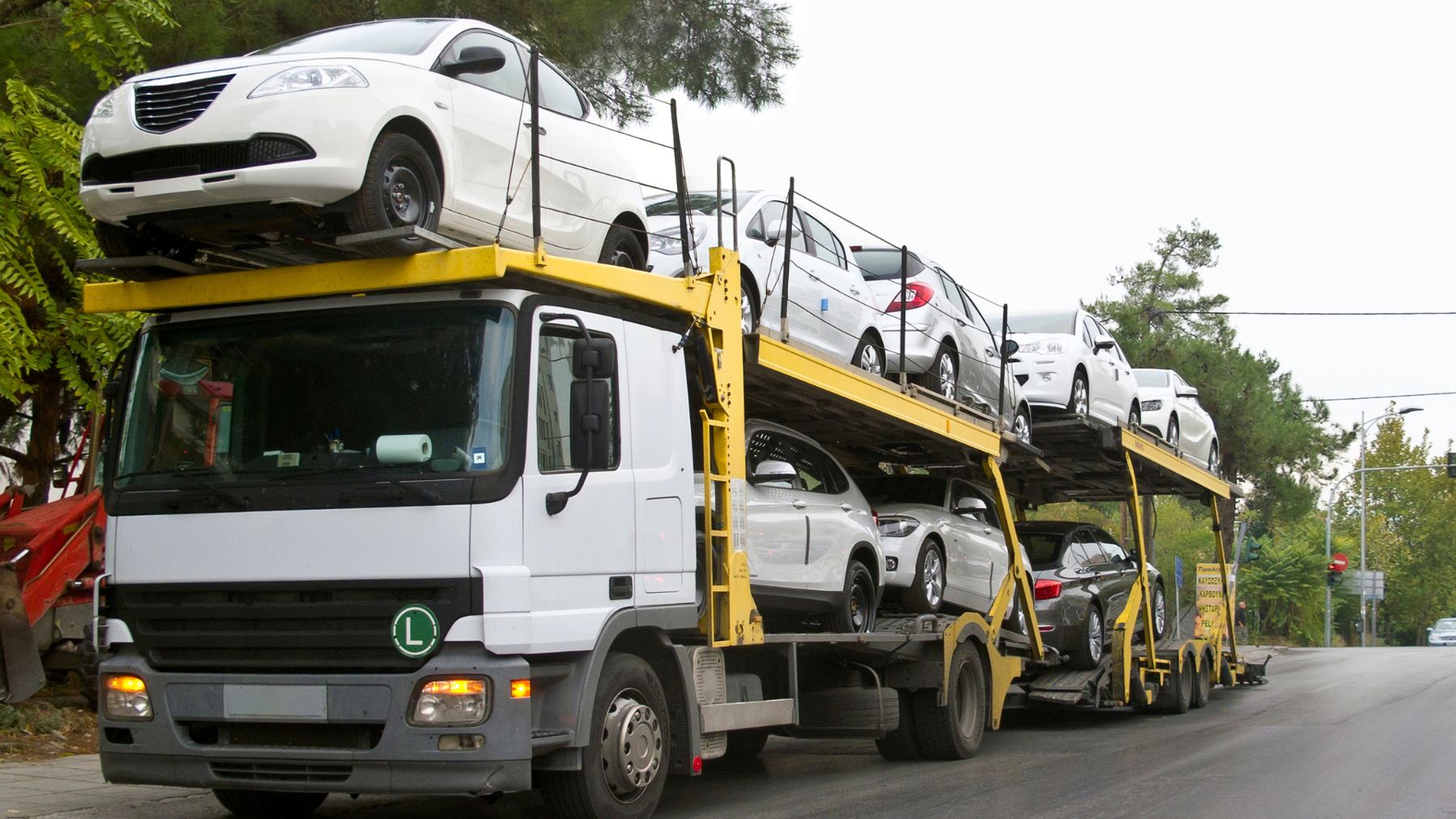
The electric vehicle (EV) market is accelerating across the Pacific Northwest (PNW). Washington and Oregon consistently rank among the highest in EV adoption rates in the U.S., supported by state incentives and consumer demand for sustainable mobility. While this growth represents opportunity, it also creates significant challenges for logistics providers moving EVs from ports, to dealerships, and eventually to end consumers.
EVs are not simply “cars with batteries.” They require specialized handling, compliance with hazardous materials regulations, and careful coordination along multimodal routes. For logistics providers, understanding these complexities is key to delivering safe, timely, and cost-effective EV transport across the PNW.
1. The Growing EV Market in the Pacific Northwest
The growth of EV ownership means logistics networks must adapt quickly, and many of the challenges are unique to this region.
- High adoption rates: According to the U.S. Department of Energy, Oregon and Washington are among the top states for EVs per capita.
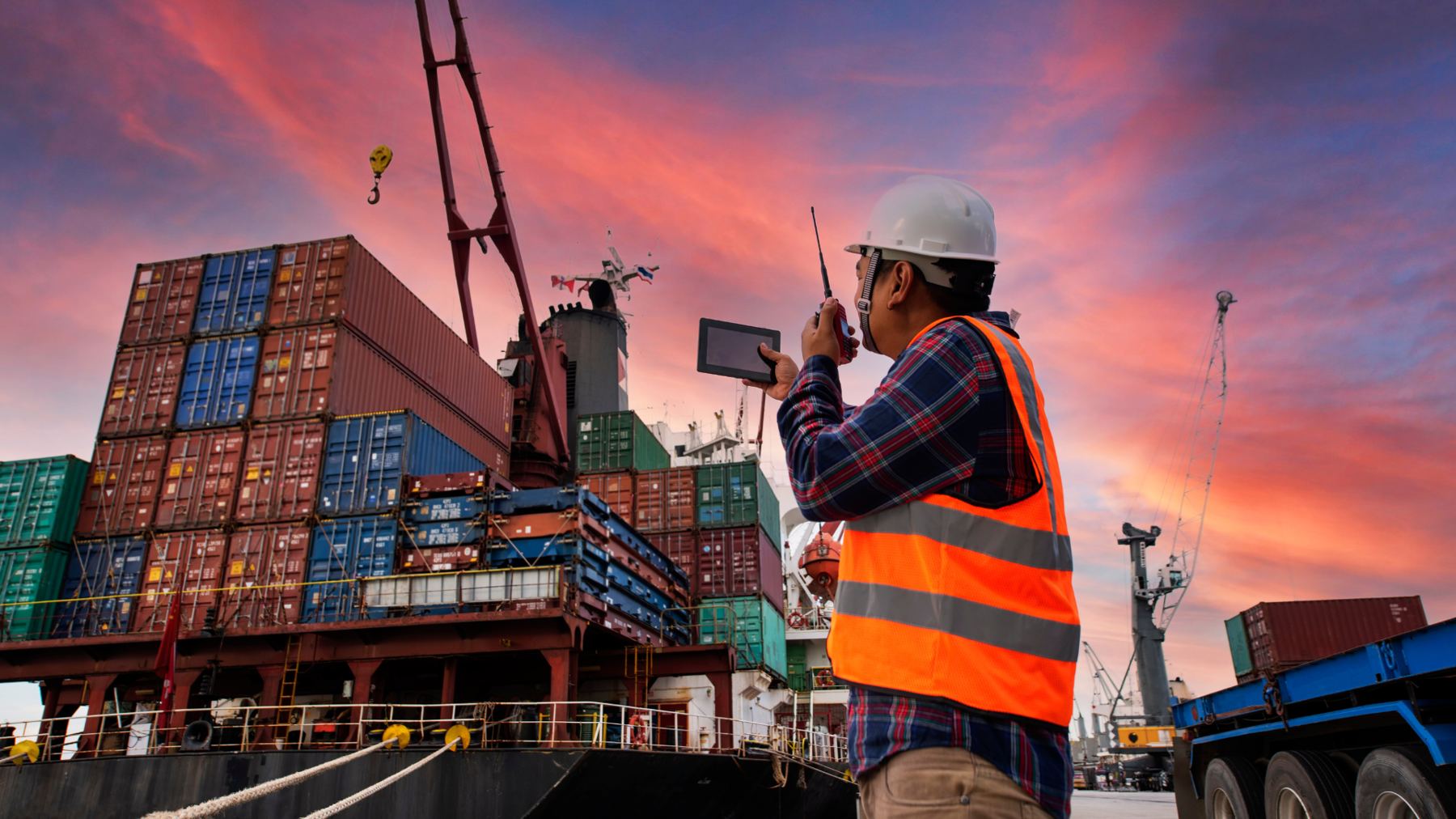
- Import hubs: Ports of Seattle, Tacoma, and Portland are critical entry points for imported EVs from Asia.
- Regional distribution: Beyond major metro areas, secondary markets like Spokane, Boise, and Eugene are experiencing increased demand.
2. Battery Logistics The Hidden Challenge
At the heart of EV transport is the lithium-ion battery. These batteries create three major logistics hurdles:
Best Practice: Partner with carriers trained in hazardous materials handling and invest in real-time temperature and voltage monitoring systems for EV battery safety.
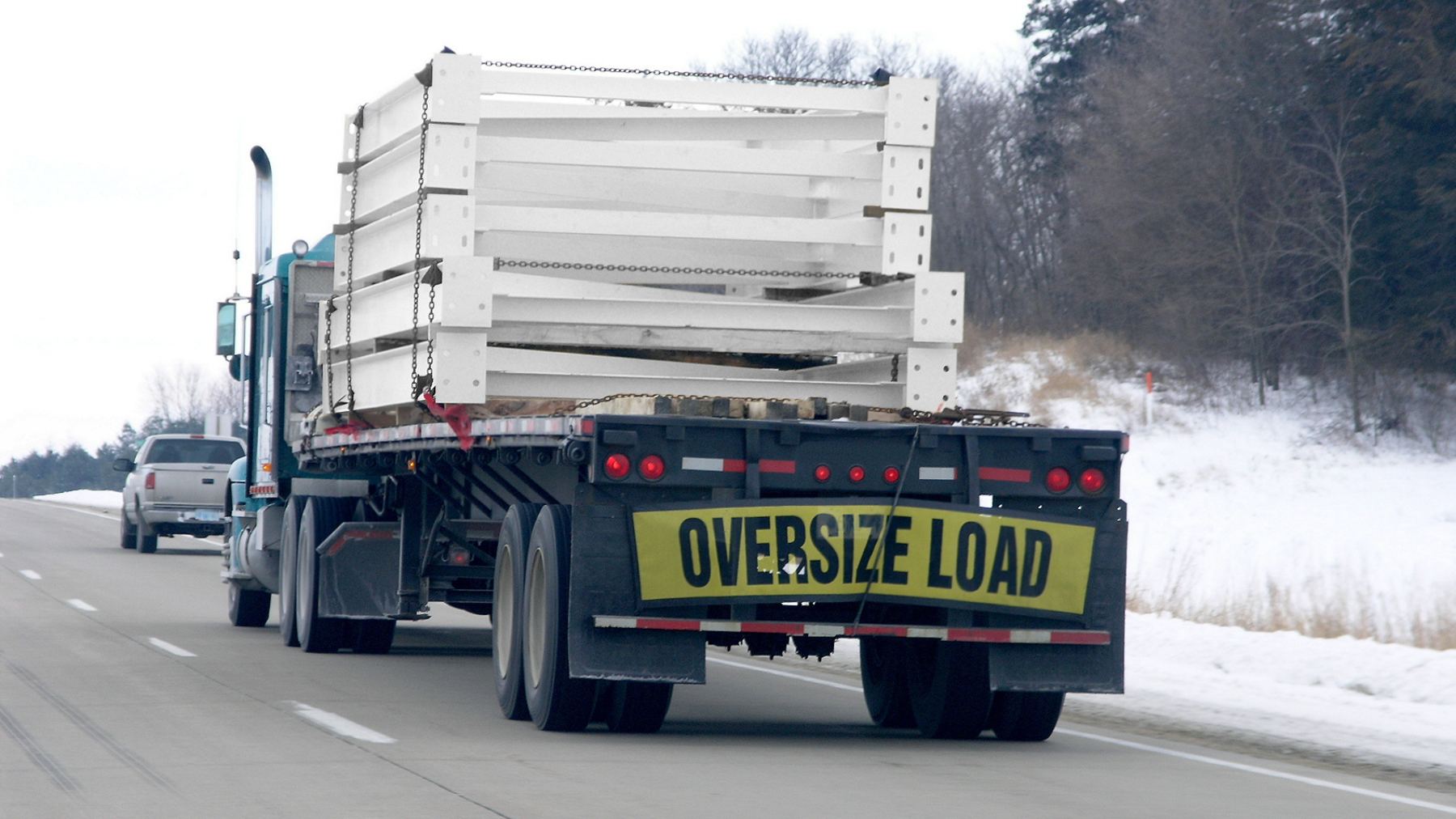
- Weight: EV batteries add significant bulk, pushing gross vehicle weights higher than traditional cars. This can affect trailer load capacity and route planning, especially on weight-restricted roads in mountain passes.
- Hazmat Classification: Lithium-ion batteries are classified as hazardous materials. That means compliance with strict federal and state rules on packaging, labeling, and handling.
- Fire Risk: Improper handling can lead to thermal runaway incidents. Specialized carriers and trained staff are required to mitigate risk.
3. Infrastructure Bottlenecks in the PNW
The Pacific Northwest faces distinct infrastructure challenges that affect EV supply chains:
Best Practice: Optimize multimodal routing strategies that minimize dwell times at ports and leverage regional distribution hubs outside of congested zones.
- Port Congestion: The Ports of Tacoma and Seattle regularly experience congestion, slowing vehicle throughput. EVs, often imported in bulk, add volume pressure.
- Limited Rail Options: While rail is used for inland distribution, connections from ports are constrained, making trucking the backbone of EV logistics.
- Charging Infrastructure Gaps: Unlike gasoline vehicles, EVs may require charging before final delivery. Charging capacity at yards and depots is still limited.
- Weather Challenges: Mountain routes into Idaho or eastern Washington bring snow, ice, and fog, complicating safe EV transport.
4. Compliance and Regulatory Requirements
Moving EVs through the PNW means navigating a complex regulatory landscape:
Checklist for Compliance
- Hazmat Training: Carriers transporting lithium-ion batteries must meet Department of Transportation (DOT) hazardous materials training standards.
- State Regulations: Oregon and Washington may impose additional emissions and safety checks on carriers.
- Cross-Border Transport: For EVs moving north into Canada, additional customs paperwork and battery transport restrictions apply.
- Hazardous material placards for trailers
- MSDS (Material Safety Data Sheets) for batteries
- Driver hazmat certification records
- Insurance verification for high-value loads
5. Security Risks and Theft Prevention
EVs and their parts are high-value targets. From entire vehicles to battery packs, theft is a major concern. Logistics providers must implement layered security:
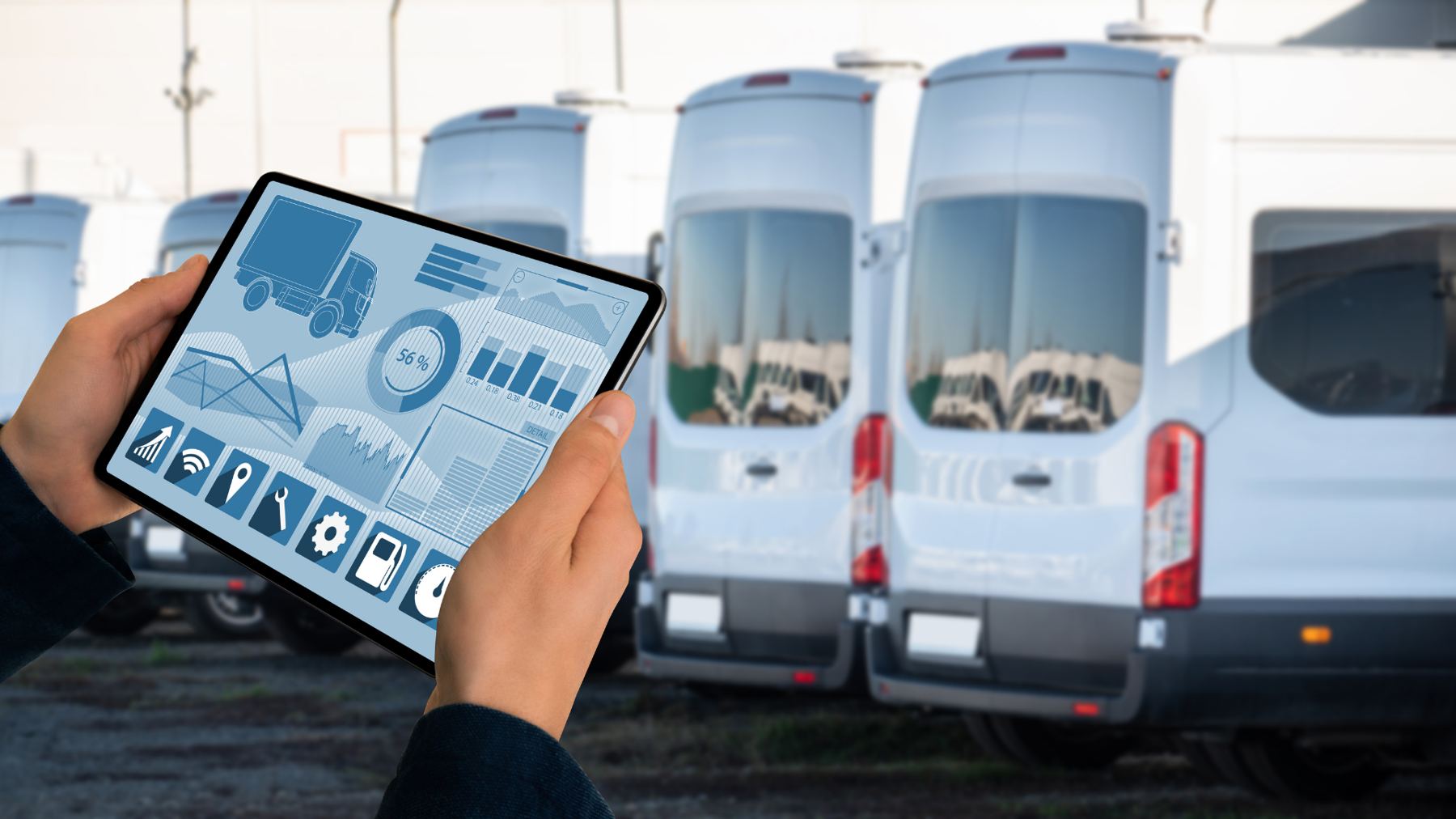
Best Practice: Provide clients with real-time visibility tools that track vehicles from port to delivery, reassuring dealerships and manufacturers about shipment security.
- GPS tracking for vehicles and trailers
- Tamper-evident seals and locks
- Secure yards with 24/7 surveillance
- Chain-of-custody protocols for handoffs
6. Optimizing Routing in the Pacific Northwest
The PNW’s geography presents unique routing decisions:
Best Practice: Use predictive analytics and weather monitoring systems to plan and reroute proactively.
- Seattle/Tacoma to Spokane: Mountain passes (Snoqualmie, Stevens) can shut down during winter storms. Alternate routing is crucial.
- Portland to Boise: I-84 is a key artery but vulnerable to icy conditions and high winds.
- Cross-Border Routes: Shipping into Canada requires planning around inspection stations and customs facilities, particularly at Blaine, WA.
7. Case Study EV Distribution from Seattle Port
When a batch of imported EVs arrived at the Port of Seattle, DN Logistics coordinated their movement to dealerships across Washington and Oregon. Challenges included:
Solutions
Result On-time delivery to dealerships, zero compliance violations, and reduced dwell time at port facilities.
- Port congestion delays
- Hazardous material compliance for battery transport
- Ensuring charging capacity before final delivery
- Leveraged off-dock storage to bypass port bottlenecks
- Used hazmat-trained carriers for safe transport
- Installed temporary charging stations at staging yards
8. Cost Considerations
EV transport introduces cost drivers beyond those of traditional automotive logistics:
While costs are higher, the ROI comes from risk mitigation: fewer delays, compliance penalties avoided, and minimized damage or theft.
- Hazmat compliance (training, permits)
- Specialized trailers and handling equipment
- Higher insurance premiums for high-value loads
- Potential charging fees during dwell periods
9. Choosing the Right Logistics Partner
For OEMs, dealerships, and fleet managers, the stakes of EV transport are high. When vetting a logistics partner in the PNW, ask:
Why DN Logistics
- Do they have hazmat certification and EV-specific experience?
- Can they provide real-time shipment visibility?
- Do they have contingency plans for winter weather and port congestion?
- How do they secure high-value shipments?
- Proven track record in automotive logistics
- Hazmat-trained carriers and compliance framework
- PNW expertise across ports, rail, and trucking routes
- Dedicated customer service and visibility tools
Conclusion Building a Smarter EV Supply Chain in the PNW
The Pacific Northwest represents one of the fastest-growing EV markets in the U.S. But with opportunity comes complexity. From hazardous battery handling to port congestion and winter routing, EV logistics requires expertise and foresight.
By partnering with a trusted provider like DN Logistics, businesses can move electric vehicles safely, efficiently, and in full compliance with regional regulations.