
On this page
The trade relationship between the United States and Canada is one of the strongest in the world, with over $2 billion in goods crossing the border every day. Trucking is the backbone of that trade, accounting for nearly 70% of freight movement between both countries.
For shippers, manufacturers, and distributors, understanding how cross-border trucking works can mean the difference between on-time deliveries and costly delays.
Quick Answer: Cross-border trucking connects U.S. and Canadian markets through regulated routes, documentation, and customs procedures managed by licensed carriers.
How Does Cross-Border Trucking Work?
Cross-border freight involves transporting goods from one country to another under both U.S. and Canadian regulations.
The Basic Steps
Quick Answer: Shipments are pre-cleared, verified at customs, and released for delivery once duties and documents are approved.
- Pre-Shipment Preparation: Verify paperwork, tariffs, and cargo classification.
- Border Documentation: Present required forms at U.S. and Canadian customs.
- Customs Clearance: Licensed customs brokers file entries electronically.
- In-Transit Movement: Trucks cross via designated ports of entry.
- Delivery and Post-Clearance: Freight is inspected, released, and delivered.
What Documents Are Required for Cross-Border Trucking?
Documentation is the most critical part of cross-border freight. Missing or incorrect paperwork can stop a shipment at the border.
Commonly Required Documents:
Quick Answer: Shippers must provide invoices, manifests, and certificates proving product origin and value to clear customs smoothly.
- Commercial Invoice: Details the value and origin of goods.
- Bill of Lading (BOL): Identifies the shipment and carrier.
- Certificate of Origin (CUSMA/USMCA): Confirms eligibility for tariff reductions.
- Packing List: Lists goods in detail.
- Carrier Code and SCAC: Identifies registered carriers.
- ACE/ACI eManifest: Filed electronically before the truck reaches the border.
What Are the Main Border Crossings for Freight?
The U.S. and Canada border has more than 100 commercial crossings, but a few handle the majority of freight traffic:
Quick Answer: For Pacific Northwest freight, the Blaine and Surrey crossing is the primary corridor for U.S. and Canada trucking.
- Detroit and Windsor (Ontario and Michigan)
- Buffalo and Fort Erie (New York and Ontario)
- Blaine and Surrey (Washington and British Columbia) ← Key for PNW logistics
- Pembina and Emerson (North Dakota and Manitoba)
How Are Customs and Duties Handled?
Both governments require pre-filing and payment of applicable duties before release:
Quick Answer: Duties and declarations are filed electronically by brokers; shipments move once customs approves and releases the load.
- U.S. Customs and Border Protection (CBP) and Canada Border Services Agency (CBSA) oversee imports and exports.
- Customs Brokers manage entries, duties, and compliance filings.
- Bonded Carriers may move freight inland before clearance.
What Are the Biggest Challenges in Cross-Border Trucking?
Quick Answer: Most border delays result from incomplete paperwork, compliance issues, or poor coordination between carrier and broker.
- Paperwork Errors: Missing or mismatched data causes most delays.
- Changing Trade Regulations: Updates to USMCA rules impact tariffs.
- Weather and Road Conditions: Snow and ice can close northern crossings.
- Driver Compliance: Carriers need FAST or C-TPAT certifications for expedited clearance.
How Does Technology Improve Cross-Border Freight?
Modern logistics technology helps eliminate friction:
Quick Answer: Automation and tracking make cross-border shipments faster, safer, and more transparent.
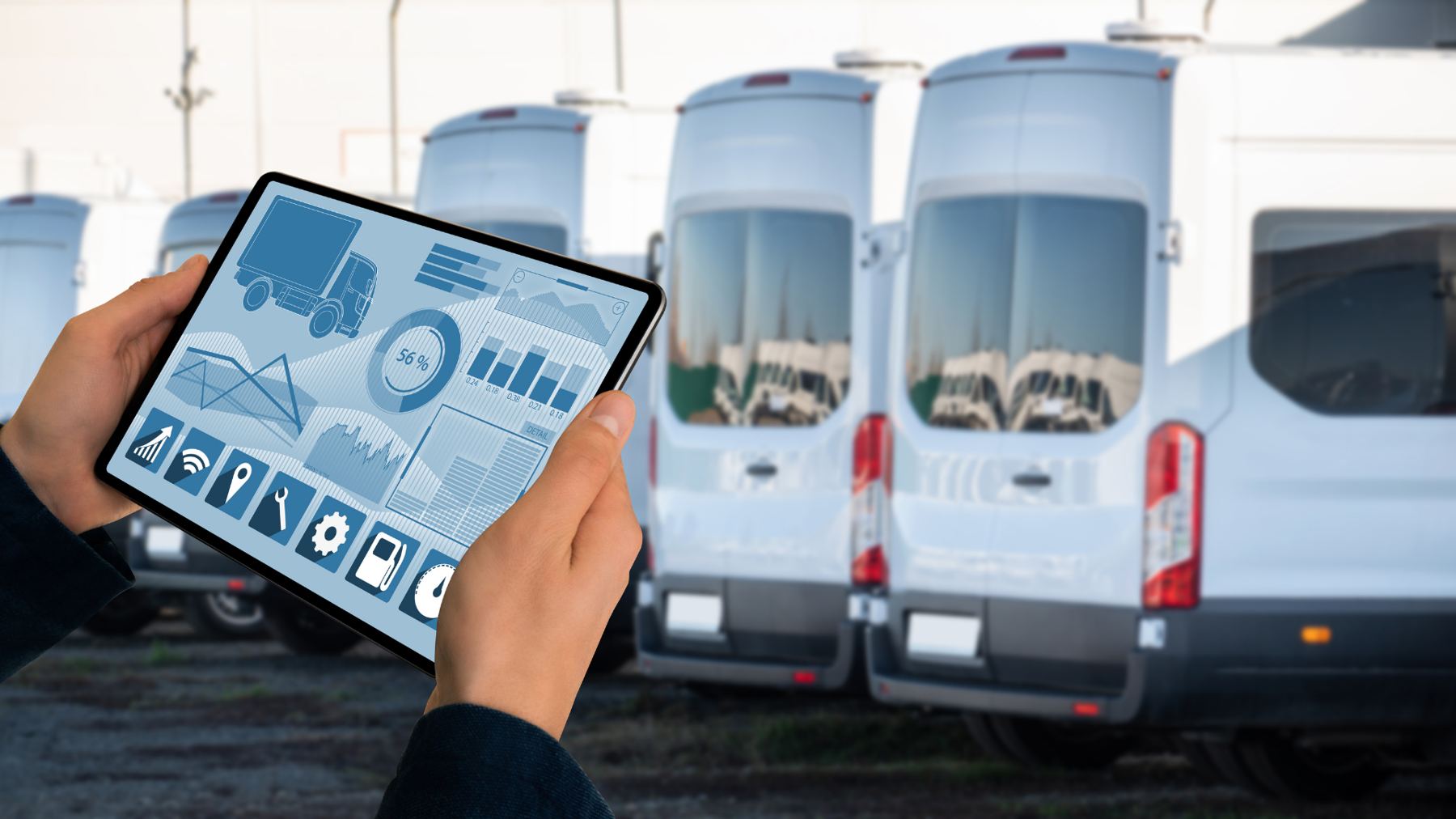
- Real-Time Tracking: GPS tracking gives full shipment visibility.
- EDI and API Integrations: Sync documents directly with customs systems.
- Automated Alerts: Notify shippers about clearance or inspection events.
- Digital Manifests: Reduce manual errors and speed up customs release.
Case Study Shipping Auto Parts from Washington to British Columbia
A manufacturer needed to move auto components from Seattle to Vancouver, BC.
Challenges:
Solutions:
Results:
Quick Answer: Pre-clearance and certified carriers can cut border delays dramatically.
- Complex documentation for multi-component shipments.
- Weather-related border delays at Blaine and Surrey.
- Tight delivery window for a Canadian assembly plant.
- DN Logistics pre-cleared the load with electronic ACE and ACI filings.
- Used C-TPAT-certified carriers for expedited border processing.
- Provided live tracking and alerts during transit.
- Shipment cleared customs in under 30 minutes.
- Delivered on time despite weather conditions.
- Client reduced dwell time by 40%.
Why Choose DN Logistics for Cross-Border Trucking
DN Logistics specializes in U.S. and Canada freight movement, offering:
Quick Answer: DN Logistics ensures seamless, compliant, and trackable freight movement between the U.S. and Canada.
- Licensed cross-border carrier services.
- Customs brokerage coordination and bonded transport.
- GPS-enabled tracking for real-time visibility.
- FAST and C-TPAT-approved carrier partnerships.
Conclusion Moving Freight Across the U.S. and Canada Border Efficiently
Cross-border trucking drives the North American economy, but it requires accuracy, experience, and compliance. From documentation and customs filings to carrier coordination, every step impacts delivery time and cost.
By partnering with DN Logistics, businesses can move freight across the U.S. and Canada border efficiently, safely, and in full compliance with customs requirements.